Oxalates, Joint Pain, and Tendon Injuries: The Health Mistake I Didn’t Know I Was Making

What if some of the foods helping you lose weight were also quietly contributing to your pain?

A few years ago, I never would have asked myself that question.

In fact, I thought I was doing everything right.

My Health Transformation Started with Doing the Right Things

Around 2018, I got serious about improving my health.

I started pushing processed foods, sugar, and grains out of my diet. In their place came more fresh vegetables, quality meats, nuts, seeds, and spices that many health experts consider superfoods.

My daily routine looked something like this:

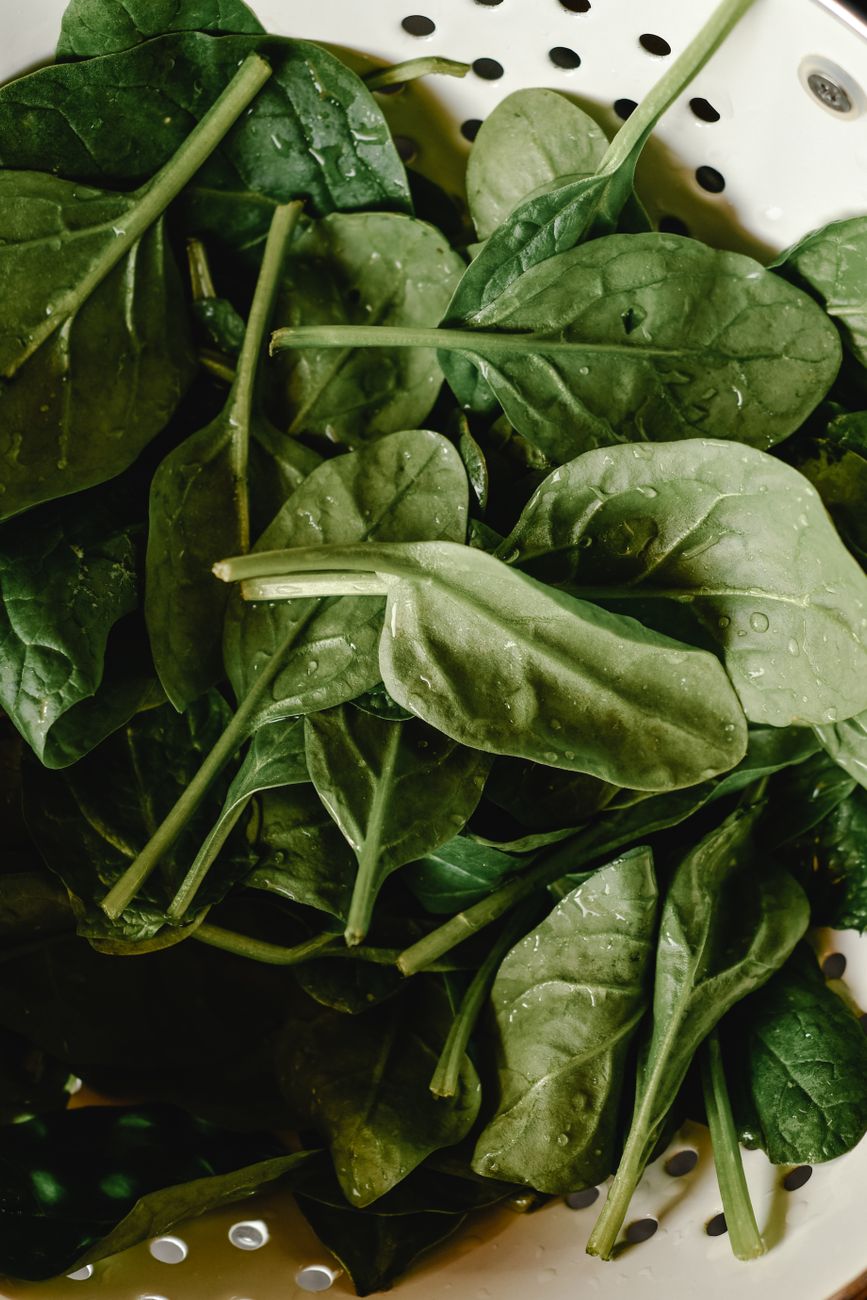
  • Large spinach salads
  • Almond butter on celery
  • Almond milk
  • Generous amounts of nuts
  • Ginger root
  • Turmeric root
  • Cinnamon in my nightly drink

The results were incredible.

I lost fat.

My energy improved.

I felt better than I had in years.

For several years, I thought I had found the perfect formula.

Then things started changing.

The Symptoms Arrived So Slowly I Barely Noticed

This is what made the whole experience so difficult to recognize.

Nothing happened overnight.

There wasn’t a dramatic event where I suddenly felt sick.

Instead, symptoms showed up one tiny piece at a time.

My joints started hurting.

My feet and toes occasionally felt numb or tingly.

My legs didn’t seem to perform as well when jogging.

Recovery became slower.

Eventually, my right wrist became a constant source of frustration.

Simple activities like pushing in a chair or twisting my wrist caused weakness and discomfort.

At one point, I stopped exercising because I assumed I had injured myself.

Weeks passed.

Nothing improved.

Something wasn’t right.

The Podcast Episode That Changed Everything

One day I stumbled across an interview with Sally Norton.

At the time, I had heard the word “oxalates” before, but never paid much attention to it.

Like most people, I assumed that if a food was considered healthy, more was probably better.

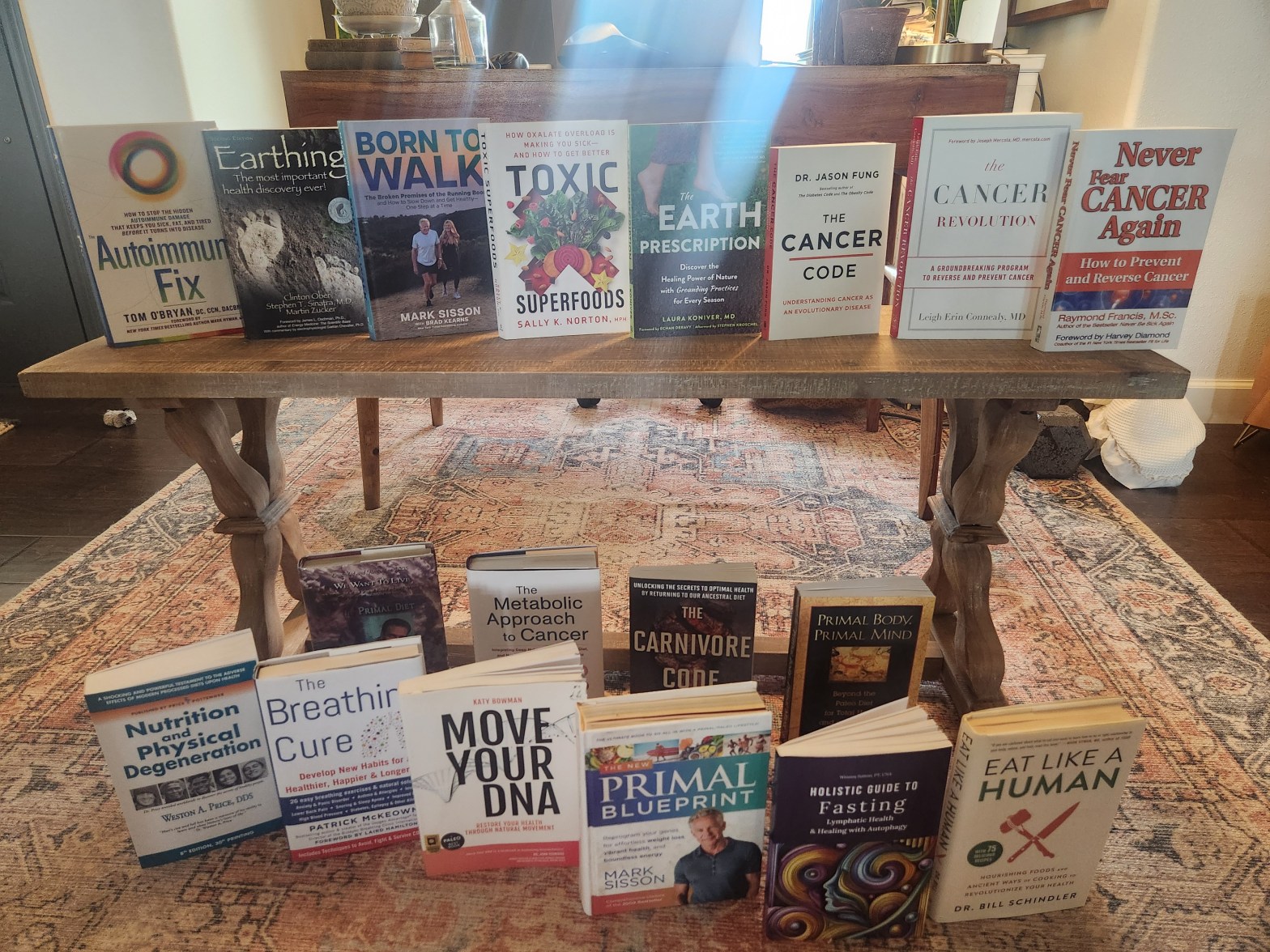
After hearing her speak, I purchased her book, Toxic Superfoods.

Within the first few pages, I found myself questioning foods that I had been eating every single day for years.

Then something happened that accelerated my interest dramatically.

The Day My Arm Went Pop

I was picking up a package from my front porch.

It wasn’t heavy.

Maybe five to ten pounds.

As I lifted it from the concrete, I felt and heard a pop near my elbow.

Then another.

Then another.

Pain shot through my arm.

I later concluded that I had likely torn a tendon somewhere along my bicep and forearm area.

What shocked me wasn’t the injury itself.

It was how little force was involved.

This wasn’t a deadlift.

This wasn’t a heavy workout.

This was a small package.

That’s when I knew something deeper was going on.

What Are Oxalates?

Oxalates are naturally occurring compounds found in many plants.

According to Sally Norton and other researchers studying oxalates, these compounds can accumulate in the body over time in susceptible individuals.

Foods often considered healthy that can contain significant amounts of oxalates include:

  • Spinach
  • Almonds
  • Almond butter
  • Almond milk
  • Celery
  • Turmeric
  • Ginger
  • Certain spices
  • Beets
  • Sweet potatoes

Many people consume these foods without issue.

Others may struggle with excessive intake over long periods of time.

Some researchers believe oxalate accumulation may contribute to:

  • Joint discomfort
  • Kidney stones
  • Tissue irritation
  • Nerve symptoms
  • Fatigue
  • Various inflammatory issues

This was the first explanation that connected all the dots for me.

Rethinking Everything I Thought I Knew

The hardest part wasn’t learning about oxalates.

The hardest part was accepting that foods that helped me escape the Standard American Diet might also be contributing to my current symptoms.

I loved these foods.

They helped me lose weight.

They helped me improve my energy.

They represented progress.

But I couldn’t ignore what my body was telling me.

So I began slowly removing many of the high-oxalate foods I was eating daily.

The Recovery Was Not Fast

Honestly, this was frustrating.

I wanted immediate results.

Instead, improvements came slowly.

Very slowly.

Week by week, I noticed tiny changes.

My joints hurt less.

My wrist became stronger.

The tingling decreased.

My recovery improved.

At times the progress was so subtle that I wondered if I was imagining it.

But I kept going.

Today, roughly a year and a half later, I would estimate that I’m about 90% improved.

My wrist still occasionally reminds me that healing is a process.

My tendon continues getting stronger.

I’m doing pullups again.

I’m exercising again.

And most importantly, I’m learning.

The Lesson I’ll Never Forget

One of the biggest lessons I’ve learned is that health is rarely black and white.

The same foods that helped solve one problem may create another when consumed excessively over long periods.

Health isn’t about finding a perfect food.

It’s about understanding principles.

It’s about paying attention.

It’s about listening when your body starts whispering before it begins screaming.

This experience reminded me that our ancestors likely consumed many foods seasonally.

Today, we can eat the same foods every day, year-round, often in quantities that would have been impossible throughout most of human history.

That reality deserves consideration.

My Final Thoughts

I’m not telling everyone to stop eating spinach.

I’m not saying almonds are evil.

I’m simply sharing my experience.

For me, learning about oxalates helped explain symptoms that had puzzled me for years.

And that’s why I continue reading books, listening to experts, interviewing guests, and testing ideas in my own life.

Because every once in a while, you discover a piece of information that changes everything.

And sometimes, the answer is hiding in the last place you’d expect: the foods you thought were helping you.

Want to Learn from People Who Have Reversed Their Health Problems?

One of my favorite things to do is sit down with people who have overcome serious health challenges through changes in diet, lifestyle, movement, sleep, fasting, and other natural health strategies.

On the Wild Primal Health Podcast, I interview everyday people and experts who have transformed their health and discovered what actually works in the real world.

If you’re interested in building a body that disease hates and learning from people who have successfully improved their health, I’d love for you to listen in.

You don’t have to spend years sorting through the noise alone. Learn from people who have already walked the path.
What If Improving Your Health Didn’t Require Sorting Through Endless Conflicting Advice?

Most people don’t struggle with their health because they don’t care.

They struggle because they don’t know who or what to trust.

One expert says one thing. Another says the opposite. Social media is filled with conflicting advice. Every week seems to bring a new diet, a new supplement, or a new health trend.

The result?

Confusion.

Second-guessing.

Information overload.

And often, very little action.

If you’re anything like me, you don’t want more information.

You want clarity.

You want to know which habits actually matter.

You want to build a stronger, leaner, healthier body.

You want more energy, greater confidence, and the peace of mind that comes from knowing you’re moving in the right direction.

And if cancer or chronic disease has touched your family, you may also want to do everything possible to build a body that is more resilient and less welcoming to disease.

For years, I’ve been searching for those answers myself.

What started as a personal mission to improve my own health led me down a path of reading dozens of books, listening to hundreds of podcast interviews, earning health coaching certifications, interviewing experts, and testing many of these principles in my own life.

Along the way, I discovered something important:

The problem isn’t a lack of information.

The problem is separating the signal from the noise.

That’s why I’m exploring a new idea.

A simple audio-based health membership designed to help people get stronger, leaner, healthier, and more resilient—on their own time and without the noise.

How It Would Work

Each month, members would receive:

• One focused audio lesson

• One simple action guide

• One important health principle worth understanding and applying

No groups.

No required meetings.

No complicated programs.

Just practical lessons distilled from books, experts, and real-world health principles into simple actions you can begin applying immediately.

The goal isn’t to turn you into a health expert.

The goal is to help you confidently apply the habits that matter most.

Imagine What That Could Look Like

Imagine having greater clarity around nutrition, movement, fasting, recovery, and the lifestyle habits that support long-term health.

Imagine making decisions with confidence instead of constantly wondering if you’re doing the right thing.

Imagine building a stronger, leaner, healthier, more resilient body one principle at a time.

Instead of jumping from one health trend to the next, you’d have a trusted filter helping you focus on what actually matters.

I’d Love Your Feedback

Before I create the first issue, I’d love your feedback.

I’ve put together a quick survey that takes less than a minute to complete. Your responses will help shape this new audio-based health membership.

Everyone who completes the survey and wants to follow along will receive the first pilot issue free when it’s released.

If learning how to get stronger, leaner, healthier, and more resilient on your own time sounds appealing, I’d love to hear what you think.

Take the quick survey and help shape what this becomes.

Let’s Make Health Rebellious (And Tell the Stories That Matter)

There’s a quiet group of people out there who feel it.

They know something is off.

They look around and see a world getting sicker, more tired, more medicated, more anxious — and they can’t shake the feeling that this cannot be the best we can do.

If that’s you, this post is for you.

And if you’ve already walked this path — even better. I want to hear your story.

Continue reading “Let’s Make Health Rebellious (And Tell the Stories That Matter)”

Appealing to a Nobler Motive: How to Unlock Real Motivation for Lasting Change

Most people say they want to lose weight, get healthy, or exercise more. But here’s the truth: just saying you want something isn’t enough to carry you through the hard days. Motivation fizzles. Habits slip. And before long, you’re back where you started.

So what’s missing?

The key is what I call appealing to a nobler motive — a concept inspired by the classic book How to Win Friends and Influence People. Instead of relying on surface-level motivation (“I want to look good” or “I should probably eat better”), you find the deeper reason that ties directly to your soul, your values, and what you stand for in life.

This is where true intrinsic motivation comes from — the kind of drive that doesn’t fade when life gets hard.


Why Most Motivation Doesn’t Stick

For most people, a goal like “lose weight” or “exercise more” is abstract. It doesn’t fully connect to who they are. It’s more of a wish than a force that can anchor new habits.

Let’s take an example:
A man realizes he’s gaining weight every year. His father had diabetes and spent the last decade of his life dealing with insulin shots, poor circulation, and limited mobility. On the surface, this man might say: “I don’t want to end up like my dad, so I should make some changes.”

And while that sounds reasonable, it often isn’t strong enough to fuel consistent behavior change.


How a Nobler Motive Changes Everything

Now, let’s appeal to a nobler motive.

That same man could instead write on a sticky note:

  • “If I don’t change my ways, my children will feel obligated to take care of me when I can’t take care of myself.”
  • Or: “I don’t want my kids to follow in the same unhealthy footsteps. I’m making the decision to rewrite our story.”

Do you see the difference?

The first version was about him. The second is about something bigger — his children, his family’s future, his legacy. That nobler motive lights a fire inside because it’s tied to love, responsibility, and who he is as a person.


How to Find Your Nobler Motive

Every tough goal or challenge has a deeper purpose behind it. The trick is asking the right questions:

  • Who else is affected if I don’t change?
  • What kind of example do I want to set?
  • How do I want my children (or future grandchildren) to remember me?
  • What legacy am I building right now with my daily choices?

Your nobler motive should always be ethical, empowering, and for the greater good — never negative or harmful.

When you find that anchor, the “hard” things like exercising, eating better, fasting, or saying no to toxic foods become worth it. They stop feeling like sacrifices and start feeling like acts of love and responsibility.


Examples of Nobler Motives to Anchor Your Health Goals

If you’re struggling to find your “why,” here are a few examples of nobler motives that can help you uncover your own:

For Generational Impact“By changing today, I’m setting an example that my kids — and their kids — can follow. I’m breaking the cycle.”

For Your Children“I don’t want my kids to grow up thinking sickness and disease are just part of life. I want them to see strength, resilience, and health as normal.”

For Your Legacy“My parents and grandparents didn’t know what I know now. I owe it to them — and myself — to rewrite our family’s story.”

For Your Freedom“I don’t want to spend my later years trapped in hospitals, pills, and doctor’s offices. I want to live with energy, strength, and independence.”

For Peace of Mind“I want to go to bed each night knowing I’m tipping the odds in my favor and defending my future.”


Start Defending Your Future Today

Appealing to a nobler motive is about more than just motivation — it’s about rewiring your future. It’s about building a body that cancer hates, tipping the odds in your favor, and stacking up years of strength and resilience.

So, what’s your nobler motive?

Write it down. Say it out loud. Let it guide your actions. And remember — you’re not just changing for yourself. You’re defending your future and shaping the legacy your family will live with tomorrow.

Calling All Healing Stories: Join Me in Inspiring Hope

Cancer and chronic disease can feel like a shadow hanging over families. If it’s in your family tree, you know the uneasy question that can follow you around: “Who will be next?”

I know this feeling personally. Cancer has touched my family more than once, and it lit a fire in me to find another way forward. That’s why I’m launching the Wild Primal Health Podcast—a space dedicated to uncovering real stories of people who have not just fought disease, but reversed it, prevented it, and built bodies where cancer and chronic illness simply cannot thrive.

Continue reading “Calling All Healing Stories: Join Me in Inspiring Hope”

Are You Happy With the Results Your Family Is Getting?

👉 Take the Defend Your Future Quiz to discover if you’re stacking the odds in your favor—or if you’re unknowingly repeating your family’s mistakes.


When you look at your family tree, are you happy with the results?

I don’t just mean who inherited Dad’s brown eyes or Grandma’s curly hair. I mean the health results. The outcomes. The diagnoses. The diseases.

Continue reading “Are You Happy With the Results Your Family Is Getting?”

The Hidden Cause of Most Cancers

👉 In just 2 minutes, find out if you’re protecting your future or gambling with it: Take the Defend Your Future Quiz

Most people believe cancer is mainly genetic — that if it runs in your family, it’s just a matter of time. But the truth is very different. Research shows that less than 5% of cancers are genetic. The rest? Around 70–75% are caused by toxins we’re exposed to every day, and 20–25% are linked to viruses and infections.

This is actually good news — because it means you have more control than you’ve been led to believe. The real question is: how do we protect our bodies so they’re less inviting to cancer in the first place?

Continue reading “The Hidden Cause of Most Cancers”

How to Build a Body Cancer Hates — No Matter Your Family History

If you ask a group of people about cancer, you’ll usually hear two very different voices.

On one hand, you have younger people who just repeat what they’ve heard from someone else: “Well, cancer just runs in my family.” For them, it’s an identity they’ve adopted before they’ve really had to face many hardships.

On the other hand, I hear older folks—people who have already lived through real health struggles—say the same thing: “It’s just in my genes. Nothing I can do about it.”

But here’s the truth: that belief couldn’t be further from reality.


The Turning Point: What Changed Everything for Me

My perspective flipped the day I picked up The Primal Blueprint. Inside those pages, I learned something shocking: about 95% of cancers are metabolically driven—not genetic fate.

Let that sink in for a second.

That means only about 5% of cancers are truly tied to inherited genetic mutations. The rest? They’re influenced by the way we live, eat, move, rest, and handle stress.

In other words: we actually have far more control than we’ve been led to believe. By building strong, resilient mitochondria (your body’s energy powerhouses), we can create robust metabolic health—which is the ultimate prevention against cancer.


The Big 4 Levers That Tip the Odds in Your Favor

So how do you actually do that? I like to keep it simple: pull the Big 4 Levers that move the needle most when it comes to cancer prevention:

  1. Toxin Removal. Identify and remove the main culprits that are bogging down your body’s immune system.
  2. Movement and Exercise. Learn why movement and exercise is not just about building muscle and burning calories.
  3. Eating Window and Fasting. Learn how to train your body to fight illness and disease when you’re not eating.
  4. Nutrient Dense Foods and Lifestyle. Learn how to take control and source great tasting, nutrient dense foods that starve out illness and disease.

When you learn these habits and become metabolically healthy, something incredible happens: you can actually enjoy life with freedom. That’s where the 80/20 principle comes in. Build your metabolic machinery strong, and the occasional treat won’t derail you.


A Vision for Old Age (And Why This Matters Now)

For me, it’s not just about avoiding disease. It’s about imagining the kind of life I want when I’m 80, 90, even 100.

My ideal day of old age? Waking up with purpose, walking or even jogging (hopefully even sprinting once in a while) around the farm, hunting, gardening, cooking my own food, sweating often, laughing a lot, and falling asleep at night knowing I’m strong, useful, and disease-free.

That’s the payoff of defending your future now.


Your First Steps: From Fear to Action

If cancer runs in your family and you’ve been living under the shadow of “it’s all genetic,” I want you to know this: you are not powerless.

The very first step I recommend is simple:
✅ Take my Defend Your Future Quiz. It’ll show you where you currently stand and which levers you need to start pulling.

Step two? Let’s set up a call and see if your goals are aligned with what I help my clients achieve. Because if you’re ready to stack the odds in your favor and build a body cancer hates, there’s no better time than now.


Closing Thought

Your health story isn’t written in stone by your DNA. You get to write the chapters ahead. The sooner you start, the more control you gain.

Now, get to chiseling out a body that cancer hates, and start defending your future!!

The Silent Health Trap: Why “Skinny Fat” Might Be More Dangerous Than You Think

You’ve probably heard people say, “Just eat what you want, we’re all going to die someday anyway.” Maybe you’ve even said it yourself — I know I used to. And if you’re young, or naturally lean, your body might even let you get away with that for a while. Eat the pizza, slam the energy drinks, hit Taco Bell at 2 AM… and somehow, you’re still fitting in the same jeans.

But here’s the thing: just because your body isn’t showing you the consequences on the outside doesn’t mean the damage isn’t happening on the inside.

Continue reading “The Silent Health Trap: Why “Skinny Fat” Might Be More Dangerous Than You Think”

Top 5 Everyday Habits That Make Your Body Less Inviting to Cancer

When cancer shows up in the family, fear usually follows. Many people start wondering if they’re doomed to the same fate, as if their genetics have already written the story of their future. That kind of thinking not only creates anxiety, but often leads people to put their faith in drugs, medications, or “quick fixes” instead of realizing that the strongest form of disease prevention actually begins at home—in your kitchen, in your daily choices, and even in the way you think about health.

Continue reading “Top 5 Everyday Habits That Make Your Body Less Inviting to Cancer”